Overview of Byblos
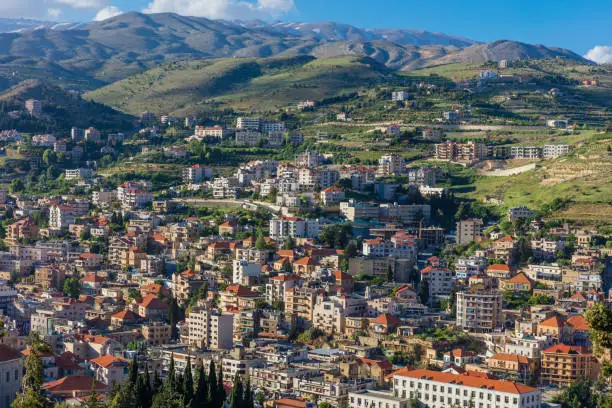
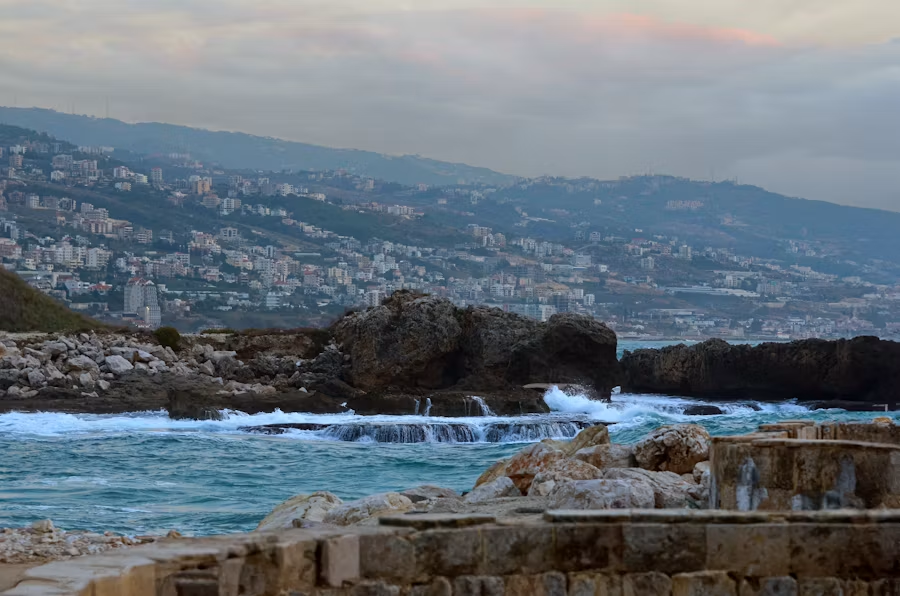
Byblos is one of the oldest continuously inhabited cities in the world and one of Lebanon’s most treasured historical destinations. Located on the Mediterranean coast approximately 40 kilometers north of Beirut, Byblos is renowned for its ancient ruins, picturesque harbor, charming old town, and vibrant cultural atmosphere.
Recognized as a UNESCO World Heritage Site, Byblos has a history spanning over 7,000 years and has been home to numerous civilizations, including the Phoenicians, Egyptians, Greeks, Romans, Byzantines, Crusaders, and Ottomans. The city offers a fascinating blend of archaeology, history, seaside beauty, and modern Lebanese hospitality.
Unlike the fast-paced energy of Beirut, Byblos provides a relaxed coastal experience where visitors can stroll through narrow stone streets, explore ancient landmarks, enjoy fresh seafood by the harbor, and discover one of humanity’s oldest urban settlements.
From magnificent archaeological sites and medieval architecture to lively cafés and Mediterranean sunsets, Byblos offers unforgettable experiences for families, couples, photographers, and history enthusiasts.
History & Cultural Significance of Byblos
Byblos is considered one of the world’s oldest continuously inhabited cities, with evidence of settlement dating back more than 7,000 years. During the Phoenician era, the city became one of the Mediterranean’s most important ports, serving as a major center for maritime trade, shipbuilding, and commerce.
The city played a crucial role in exporting cedar wood and papyrus throughout the ancient world. Its close trade relationship with Egypt contributed to its prosperity and cultural influence. The name “Byblos” is believed to have originated from the Greek word for papyrus, from which the English word “Bible” is ultimately derived.
Over the centuries, Byblos came under the rule of the Assyrians, Persians, Greeks, Romans, Byzantines, Crusaders, Mamluks, and Ottomans. Each civilization left behind impressive monuments and architectural treasures that continue to attract visitors today.
Today, Byblos stands as one of Lebanon’s most important cultural landmarks, preserving thousands of years of history while maintaining its vibrant coastal charm.
Best Time to Visit Byblos
The best time to visit Byblos is from April to June and September to November, when pleasant temperatures make sightseeing, walking tours, and waterfront dining especially enjoyable.
Byblos Weather Guide
Spring (March–May): Mild temperatures (15°C–24°C), perfect for exploring archaeological sites, walking through the old town, and enjoying outdoor cafés.
Summer (June–August): Warm temperatures (24°C–31°C), ideal for seaside dining, beaches, and evening festivals.
Autumn (September–November): Comfortable temperatures (18°C–28°C), making it one of the best seasons for sightseeing and photography.
Winter (December–February): Cool temperatures (10°C–18°C), with occasional rainfall and fewer tourists.
Festivals and Events to Experience
Byblos hosts numerous cultural and entertainment events throughout the year, including:
- Byblos International Festival
- Lebanese music concerts
- Art and cultural exhibitions
- Traditional handicraft markets
- Food and seafood festivals
- Christmas celebrations
- Local heritage events
- Summer cultural performances
These events celebrate Lebanon’s rich artistic traditions, music, cuisine, and cultural heritage.
15 Best Places to Visit in Byblos
Byblos Archaeological Site
A UNESCO World Heritage Site featuring remarkable remains from Phoenician, Roman, Byzantine, and Crusader civilizations. Visitors can explore ancient temples, fortifications, houses, and historical monuments dating back thousands of years.
Byblos Castle
Built by the Crusaders during the 12th century using stones from earlier Roman structures, Byblos Castle offers spectacular panoramic views of the Mediterranean Sea and the ancient city.
Byblos Old Souk
A charming traditional market filled with stone alleyways, artisan shops, souvenir stores, cafés, and restaurants. It is one of the most popular places to experience local culture.
Byblos Old Harbor
One of the oldest continuously used harbors in the world, the picturesque fishing port is lined with traditional boats, seafood restaurants, and beautiful waterfront views.
Saint John-Marc Cathedral
A beautiful Romanesque church built during the Crusader period, known for its impressive architecture and peaceful atmosphere.
Phoenician Royal Tombs
Ancient burial chambers carved into the rock, providing insight into the city’s royal history and archaeological importance.
Wax Museum
A museum featuring life-sized wax figures depicting important moments and historical personalities from Lebanon’s past.
Fossil Museum
A fascinating museum displaying exceptionally preserved marine fossils dating back millions of years.
Byblos Fishing Port
A scenic location where visitors can watch local fishermen, enjoy fresh seafood, and experience the city’s maritime heritage.
Medieval City Walls
Historic defensive walls surrounding parts of the ancient city, reflecting Byblos’ strategic importance throughout history.
Roman Theatre
A small but well-preserved Roman theater overlooking the Mediterranean, offering scenic views and historical significance.
Byblos Beach
A relaxing coastal destination where visitors can enjoy swimming, sunbathing, and beautiful Mediterranean scenery.
Nabu Museum (Nearby Attraction)
A modern museum near Byblos showcasing art, archaeology, and cultural collections from across the region.
Jbeil Waterfront
A lively seaside promenade featuring restaurants, cafés, shopping areas, and beautiful views of the harbor.
Traditional Lebanese Restaurants
Byblos is famous for its authentic Lebanese cuisine, offering fresh seafood, mezze, grilled specialties, and local desserts in historic surroundings.
Things to Do in Byblos
Unique Experiences in Byblos
- Explore one of the world’s oldest cities.
- Walk through the UNESCO-listed archaeological site.
- Visit the Crusader Castle.
- Stroll along the historic harbor.
- Shop in the traditional souk.
- Enjoy authentic Lebanese seafood.
- Watch spectacular Mediterranean sunsets.
What to Do in Byblos
- Discover ancient Phoenician history.
- Visit museums and archaeological sites.
- Explore medieval streets and landmarks.
- Enjoy waterfront cafés and restaurants.
- Attend cultural festivals and concerts.
- Relax on nearby beaches.
- Experience traditional Lebanese hospitality.
Fun Things to Do with Family, Couples & Friends
- Walk through the charming Old Souk.
- Take memorable photos at the harbor.
- Explore Byblos Castle together.
- Enjoy seafood overlooking the Mediterranean.
- Visit museums and historical sites.
- Shop for handmade crafts and souvenirs.
- Watch live music during summer festivals.
- Enjoy an evening stroll along the waterfront.
Conclusion
Byblos is one of Lebanon’s most enchanting destinations, offering a remarkable blend of ancient history, coastal beauty, and vibrant culture. From its UNESCO-listed archaeological treasures and medieval castle to its charming harbor and lively souks, the city provides an unforgettable journey through thousands of years of civilization.
Whether you are a history enthusiast, culture lover, photographer, or simply seeking a relaxing Mediterranean escape, Byblos offers an experience unlike any other. With its timeless charm, welcoming atmosphere, and extraordinary heritage, Byblos remains one of Lebanon’s most treasured destinations and a must-visit for travelers exploring the country.