Overview of Baalbek
Baalbek is one of Lebanon’s most extraordinary historical destinations and one of the world’s greatest archaeological sites. Located in the fertile Bekaa Valley of eastern Lebanon, Baalbek is famous for its colossal Roman temples, ancient ruins, and remarkable architectural achievements that showcase the power and sophistication of past civilizations.
Known as the “City of the Sun,” Baalbek was once one of the most important religious centers of the Roman Empire. The city is home to some of the largest and best-preserved Roman temples ever built, including the magnificent Temple of Jupiter, Temple of Bacchus, and Temple of Venus.
Recognized as a UNESCO World Heritage Site, Baalbek offers visitors a journey through thousands of years of history, where Phoenician, Greek, Roman, Byzantine, and Islamic influences come together. The city’s massive stone structures, historic streets, cultural festivals, and surrounding mountain landscapes make it one of Lebanon’s most fascinating destinations.
From ancient temples and archaeological wonders to traditional Lebanese culture and nearby natural attractions, Baalbek provides unforgettable experiences for history lovers, photographers, families, and cultural travelers.
History & Cultural Significance of Baalbek
Baalbek has a history dating back thousands of years and was originally a sacred site dedicated to the Phoenician god Baal, the deity associated with fertility, storms, and agriculture. Due to its religious importance, the area became a major center of worship long before the arrival of the Romans.
During the Roman period, Baalbek was transformed into one of the empire’s most magnificent religious complexes. Known as Heliopolis, meaning “City of the Sun,” it became a major pilgrimage destination where enormous temples were built to honor Jupiter, Bacchus, Venus, and other deities.
The construction of Baalbek’s temples demonstrated extraordinary engineering skills, with some foundation stones among the largest ever used in ancient architecture. Over centuries, the site was influenced by Byzantine Christians and Islamic rulers, who adapted parts of the complex for different purposes.
Today, Baalbek stands as one of the most important archaeological treasures in the world, preserving the artistic achievements and cultural legacy of multiple civilizations.
Best Time to Visit Baalbek
The best time to visit Baalbek is from April to June and September to October, when temperatures are comfortable for exploring the large archaeological complex and surrounding attractions.
Baalbek Weather Guide
Spring (March–May): Pleasant temperatures (12°C–25°C), ideal for sightseeing, photography, and exploring ancient ruins.
Summer (June–August): Warm temperatures (25°C–35°C), with early morning and late afternoon visits recommended for comfortable exploration.
Autumn (September–November): Mild temperatures (18°C–28°C), perfect for outdoor activities and cultural visits.
Winter (December–February): Cold temperatures (5°C–15°C), with occasional snowfall in nearby mountains and fewer visitors.
Festivals and Events to Experience
Baalbek is internationally known for its cultural celebrations, especially:
- Baalbek International Festival
- Classical music performances
- Lebanese and international concerts
- Traditional dance performances
- Cultural heritage events
- Art exhibitions
- Local food celebrations
These events transform the ancient ruins into a spectacular cultural venue, celebrating music, art, and Lebanon’s rich heritage.
15 Best Places to Visit in Baalbek
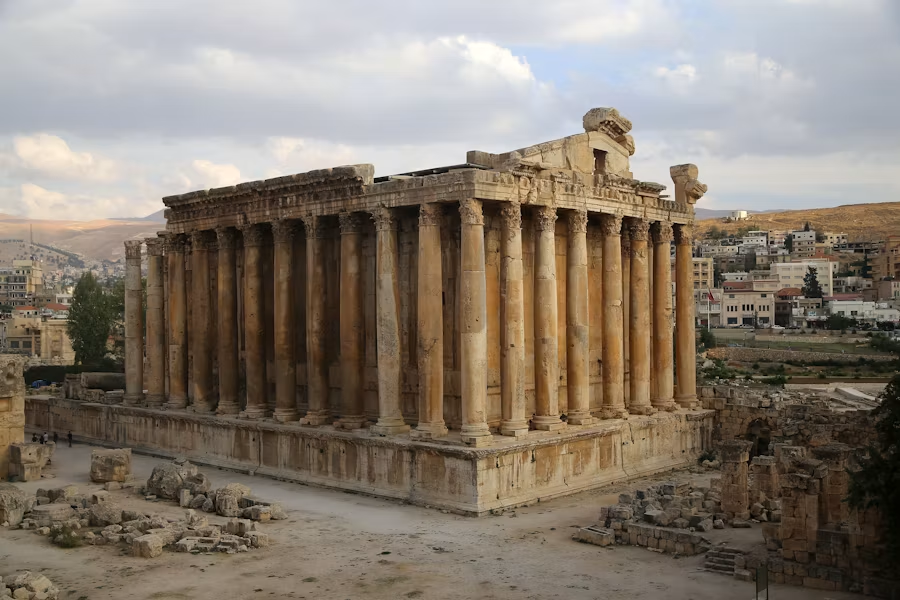
Temple of Bacchus
One of the best-preserved Roman temples in the world, the Temple of Bacchus is famous for its enormous columns, detailed carvings, and impressive size. Its remarkable preservation makes it the highlight of any visit to Baalbek.
Temple of Jupiter
The largest temple in the Baalbek complex, the Temple of Jupiter was once one of the greatest Roman religious structures ever built. Although only parts remain today, its massive columns demonstrate the incredible scale of ancient Roman architecture.
Temple of Venus
A unique circular temple dedicated to Venus, featuring distinctive architecture and elegant design. It is one of the most recognizable structures within the Baalbek archaeological site.
Great Court of Baalbek
A massive ceremonial courtyard surrounded by impressive architectural remains, once used for religious gatherings and celebrations.
Roman Quarry (Hajar al-Hibla)
Located near Baalbek, this ancient quarry contains some of the largest cut stones ever discovered, including the famous Stone of the Pregnant Woman, showcasing the incredible engineering abilities of ancient builders.
Baalbek Archaeological Museum
A museum displaying artifacts, sculptures, inscriptions, and historical objects discovered at the site, helping visitors understand the city’s long history.
Sayyida Khawla Mosque
A beautiful Islamic landmark located near the archaeological site, known for its religious importance and elegant architecture.
Baalbek Old Souk
A traditional market area where visitors can experience local life, shop for handmade products, and taste Lebanese specialties.
Stone of the Pregnant Woman
One of the world’s largest known ancient stones, located in the nearby quarry and offering insight into the monumental construction techniques used at Baalbek.
Ras El Ain
A natural spring area near Baalbek offering a peaceful environment, restaurants, and scenic surroundings.
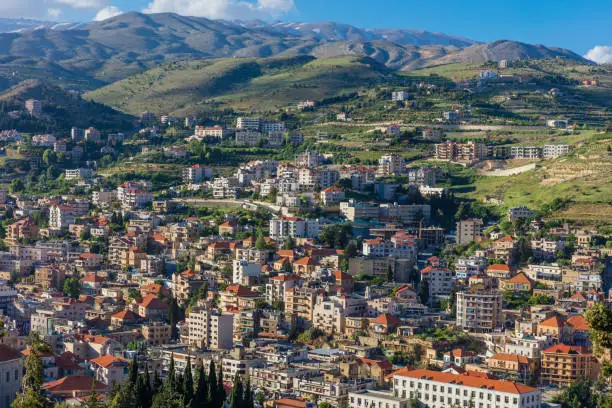
Bekaa Valley
A beautiful agricultural region surrounding Baalbek, famous for vineyards, fertile landscapes, traditional villages, and mountain views.
Chateau Ksara (Nearby Attraction)
One of Lebanon’s oldest wineries, offering tours, wine tasting experiences, and insight into the country’s long tradition of winemaking.
Anjar (Nearby Attraction)
A UNESCO World Heritage Site featuring impressive Umayyad ruins, including ancient streets, palaces, and marketplaces.
Zahle (Nearby Attraction)
A charming city in the Bekaa Valley known for riverside restaurants, Lebanese cuisine, vineyards, and cultural attractions.
Hermel Pyramid (Nearby Attraction)
An ancient pyramid-shaped monument located in northern Bekaa, offering a unique historical site surrounded by scenic landscapes.
Things to Do in Baalbek
Unique Experiences in Baalbek
- Explore the magnificent Roman temples.
- Walk among some of the world’s largest ancient stones.
- Attend the Baalbek International Festival.
- Discover Phoenician and Roman history.
- Visit traditional markets.
- Taste authentic Bekaa Valley cuisine.
- Explore nearby vineyards and villages.
What to Do in Baalbek
- Visit UNESCO-listed archaeological sites.
- Learn about ancient Roman engineering.
- Explore museums and cultural landmarks.
- Discover local traditions and crafts.
- Take scenic drives through the Bekaa Valley.
- Visit nearby historical attractions.
- Experience Lebanese hospitality and cuisine.
Fun Things to Do with Family, Couples & Friends
- Take memorable photos among Roman ruins.
- Explore the temples together.
- Enjoy traditional Lebanese meals.
- Attend cultural performances.
- Visit nearby villages and vineyards.
- Explore local markets.
- Discover ancient quarries and monuments.
- Enjoy scenic views of the Bekaa Valley.
Conclusion
Baalbek is one of Lebanon’s most remarkable destinations, offering an extraordinary combination of ancient history, architectural brilliance, and cultural heritage. From the towering columns of the Temple of Jupiter and the magnificent Temple of Bacchus to the fascinating surrounding landscapes of the Bekaa Valley, the city provides a journey into one of the greatest civilizations of the ancient world.
Whether you are a history enthusiast, architecture lover, photographer, or cultural explorer, Baalbek offers an unforgettable experience filled with wonder and discovery. With its UNESCO-listed ruins, legendary temples, and rich traditions, Baalbek remains one of Lebanon’s most treasured destinations and a must-visit location for travelers exploring the country.