Overview of Jeita Grotto
Jeita Grotto is one of Lebanon’s most spectacular natural wonders and one of the most impressive cave systems in the world. Located in the Nahr al-Kalb valley, approximately 18 kilometers north of Beirut, Jeita Grotto is famous for its breathtaking limestone formations, underground rivers, crystal-clear waters, and enormous caverns created over millions of years.
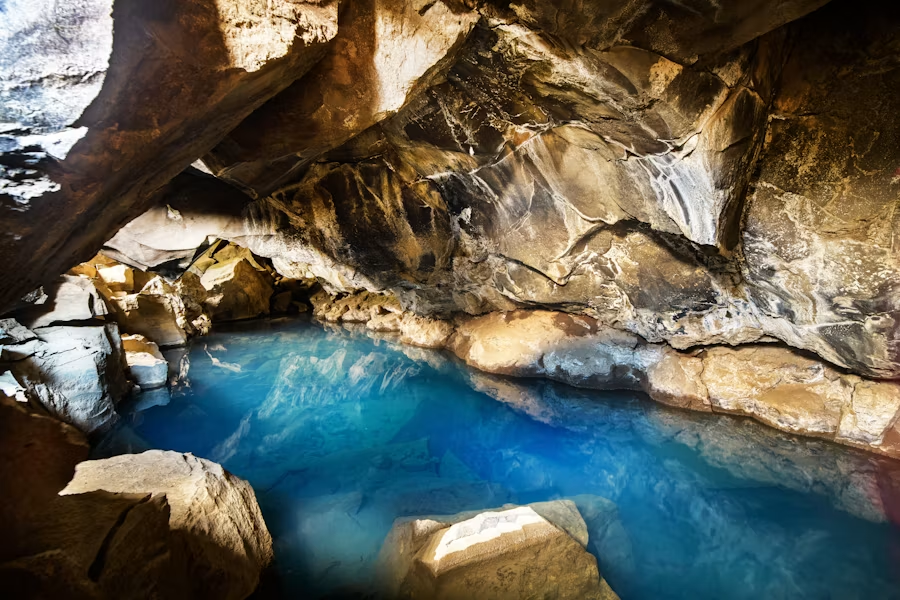
Recognized as one of Lebanon’s most important natural attractions, Jeita Grotto offers visitors a magical journey beneath the mountains, where nature has sculpted stunning stalactites, stalagmites, columns, and rock formations. The cave system consists of two interconnected levels: the upper dry caves and the lower water-filled caves explored by boat.
Unlike Lebanon’s historical cities and archaeological sites, Jeita Grotto provides a unique natural experience where visitors can discover the hidden beauty of the underground world while enjoying peaceful surroundings and scenic landscapes.
From spectacular cave chambers and underground waterways to family-friendly attractions and nearby mountain destinations, Jeita Grotto offers unforgettable experiences for families, nature lovers, photographers, and adventure seekers.
History & Cultural Significance of Jeita Grotto
Jeita Grotto was formed over millions of years as underground water slowly dissolved limestone rock, creating an extraordinary network of caves, tunnels, and chambers. The natural processes shaped the impressive formations that visitors admire today.
The caves were first discovered in modern times in the 19th century by European explorers. In 1958, the lower caves were opened to the public, followed by the upper galleries in the 1960s. Since then, Jeita Grotto has become one of Lebanon’s most famous landmarks and a symbol of the country’s natural beauty.
The grotto gained international recognition when it was selected as a finalist in the New7Wonders of Nature campaign, highlighting its global importance as a geological treasure.
Beyond its natural value, Jeita Grotto plays an important role in Lebanese tourism and environmental awareness by showcasing the importance of protecting underground water systems and natural landscapes.
Best Time to Visit Jeita Grotto
The best time to visit Jeita Grotto is from April to October, when the weather is pleasant and ideal for combining a cave visit with nearby attractions around Beirut and Mount Lebanon.
Jeita Grotto Weather Guide
Spring (March–May): Mild temperatures (15°C–25°C), making it an excellent season for visiting the caves and nearby natural areas.
Summer (June–August): Warm temperatures (25°C–32°C), while the caves remain naturally cool and comfortable throughout the year.
Autumn (September–November): Pleasant temperatures (18°C–28°C), ideal for sightseeing with fewer crowds.
Winter (December–February): Cooler temperatures (10°C–18°C), with occasional rainfall that can enhance the surrounding landscapes.
Festivals and Events to Experience
While Jeita Grotto is primarily a natural attraction, visitors can enjoy various cultural and environmental events in the surrounding region, including:
- Lebanon nature and eco-tourism events
- Cultural festivals in nearby towns
- Outdoor adventure activities
- Environmental conservation programs
- Local heritage celebrations
- Art and photography exhibitions
These activities highlight Lebanon’s natural landscapes, cultural identity, and commitment to preserving its environment.
15 Best Places to Visit Near Jeita Grotto
Upper Jeita Grotto
The upper galleries are famous for their massive limestone chambers, dramatic rock formations, and some of the world’s longest known stalactites. Visitors can explore the caves through specially designed walkways.
Lower Jeita Grotto
The lower cave system features an underground river where visitors travel by boat through peaceful waterways surrounded by impressive rock formations.
Jeita Grotto Cable Car
A scenic cable car ride connects different areas of the grotto complex and offers beautiful views of the surrounding valley.
Nahr al-Kalb Valley
A beautiful natural valley surrounding Jeita Grotto, known for its river, mountain scenery, and historical inscriptions carved into rocks.
Our Lady of Lebanon – Harissa
A famous religious landmark located nearby, featuring a large statue of the Virgin Mary and spectacular views of the Mediterranean coast.
Jounieh Bay
A scenic coastal destination near Jeita Grotto, famous for beaches, restaurants, nightlife, and beautiful sea views.
Teleferique of Jounieh
A famous cable car experience offering panoramic views of Jounieh Bay, the Mediterranean Sea, and surrounding mountains.
Byblos (Nearby Attraction)
A UNESCO World Heritage Site known for ancient ruins, a historic harbor, traditional souks, and thousands of years of history.
Beirut (Nearby Attraction)
Lebanon’s capital city offering museums, cultural landmarks, shopping, restaurants, and vibrant nightlife.
Keserwan Mountains
A scenic mountain region near Jeita Grotto featuring hiking trails, villages, forests, and beautiful viewpoints.
Nahr Ibrahim Valley
A natural area known for rivers, hiking routes, waterfalls, and peaceful mountain scenery.
Faqra Natural Bridge
A unique geological formation in the mountains featuring a natural stone bridge and ancient archaeological remains.
Faraya Ski Resort
A popular winter destination near Jeita Grotto offering skiing, snow activities, and mountain adventures.
Zouk Mikael Old Town
A charming historic town featuring traditional architecture, old streets, cultural attractions, and local restaurants.
Lebanese Mountain Restaurants
The area around Jeita Grotto is known for restaurants serving traditional Lebanese cuisine with beautiful mountain and valley views.
Things to Do at Jeita Grotto
Unique Experiences at Jeita Grotto
- Explore breathtaking underground caves.
- Ride a boat through an underground river.
- Admire natural limestone formations.
- Experience one of Lebanon’s greatest natural wonders.
- Take scenic photos of the surrounding landscapes.
- Combine the visit with nearby mountain attractions.
- Learn about geology and environmental conservation.
What to Do at Jeita Grotto
- Walk through the upper cave galleries.
- Explore the underground waterways.
- Enjoy the surrounding valley scenery.
- Visit nearby cultural landmarks.
- Take a cable car ride.
- Discover Lebanese nature and geology.
- Enjoy local food in nearby restaurants.
Fun Things to Do with Family, Couples & Friends
- Explore the caves together.
- Enjoy a peaceful underground boat ride.
- Take memorable photographs.
- Visit nearby Harissa and Jounieh.
- Enjoy a mountain lunch.
- Discover natural landscapes.
- Plan a day trip combining caves, coast, and mountains.
- Experience one of Lebanon’s most unique attractions.
Conclusion
Jeita Grotto is one of Lebanon’s most extraordinary destinations, offering a rare combination of natural beauty, adventure, and geological wonder. From its enormous underground chambers and spectacular limestone formations to its peaceful underground river and scenic surroundings, the grotto provides an unforgettable experience for visitors of all ages.
Whether you are a nature enthusiast, photographer, family traveler, or adventure seeker, Jeita Grotto offers a fascinating journey beneath the surface of Lebanon. With its breathtaking formations, unique underground environment, and worldwide recognition, Jeita Grotto remains one of the country’s most treasured natural landmarks.