Overview of Cedars of God
The Cedars of God is one of Lebanon’s most iconic natural and cultural treasures, representing the ancient history, beauty, and identity of the country. Located near the mountain town of Bcharre in northern Lebanon, this ancient cedar forest is famous for its majestic trees, spiritual significance, and connection to Lebanon’s national heritage.
Recognized as a UNESCO World Heritage Site as part of the Qadisha Valley and Cedars of God heritage area, the forest contains some of the last remaining ancient cedar trees that once covered much of Mount Lebanon. These magnificent trees have been admired for thousands of years and were highly valued by ancient civilizations for their strength, beauty, and importance in construction.
Unlike Lebanon’s archaeological cities and coastal destinations, the Cedars of God offers a peaceful mountain experience where visitors can walk among ancient trees, enjoy breathtaking views, explore nearby valleys, and connect with Lebanon’s natural heritage.
From scenic forest trails and mountain landscapes to spiritual sites and outdoor adventures, the Cedars of God offers unforgettable experiences for nature lovers, families, photographers, and travelers seeking tranquility.
History & Cultural Significance of Cedars of God
The cedar tree has been a powerful symbol of Lebanon for thousands of years. Ancient civilizations, including the Phoenicians, Egyptians, Assyrians, and Romans, valued Lebanese cedar wood for its durability, fragrance, and resistance to decay. Cedar timber was used to build ships, temples, palaces, and important structures throughout the ancient world.
The cedar forests of Mount Lebanon once covered vast areas, but centuries of logging reduced them significantly. The remaining trees at Cedars of God represent a living connection to Lebanon’s ancient forests and cultural history.
The forest has strong religious significance as well. Cedar trees are frequently mentioned in ancient texts and religious traditions as symbols of strength, beauty, and immortality. The nearby Qadisha Valley served as an important spiritual refuge for Christian monastic communities for centuries.
Today, the Cedars of God is protected as a UNESCO World Heritage Site and remains a national symbol of Lebanon, representing resilience, heritage, and the natural beauty of the Lebanese mountains.
Best Time to Visit Cedars of God
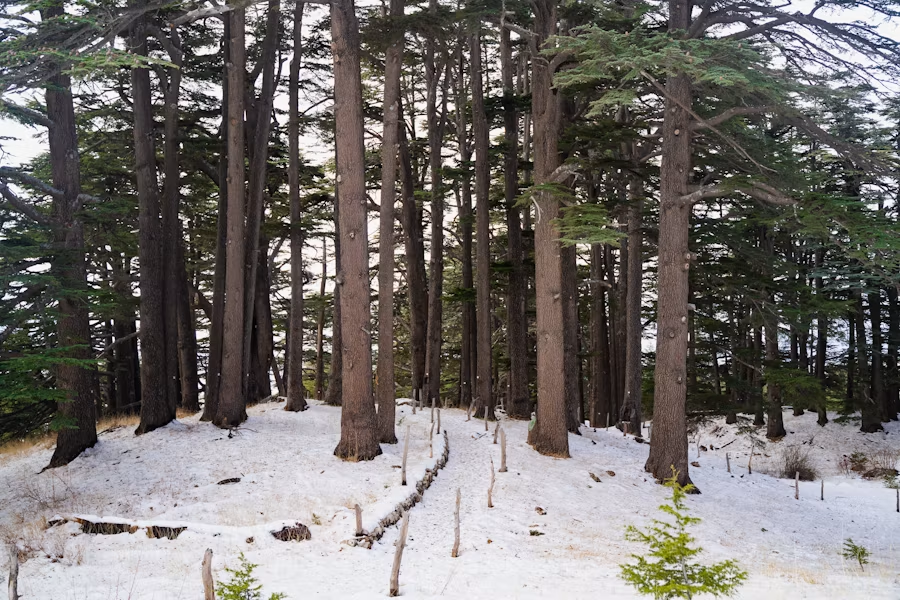
The best time to visit the Cedars of God is from May to October for hiking, sightseeing, and enjoying nature. Winter, from December to March, is ideal for visitors interested in snow activities and the beauty of the cedar forest covered in snow.
Cedars of God Weather Guide
Spring (March–May): Cool temperatures (5°C–18°C), with blooming landscapes and excellent conditions for nature walks.
Summer (June–August): Pleasant temperatures (15°C–25°C), making it perfect for hiking, photography, and escaping the summer heat.
Autumn (September–November): Mild temperatures (10°C–20°C), with beautiful mountain scenery and fewer visitors.
Winter (December–February): Cold temperatures (-5°C–8°C), with heavy snowfall creating a magical winter landscape.
Festivals and Events to Experience
The Cedars of God and the surrounding Bcharre region host various cultural, environmental, and community events, including:
- Cedar forest conservation events
- Bcharre cultural festivals
- Kahlil Gibran heritage celebrations
- Mountain music performances
- Environmental awareness programs
- Hiking and eco-tourism activities
- Winter sports events
These events celebrate Lebanon’s natural heritage, mountain traditions, literature, and commitment to preserving its ancient forests.
15 Best Places to Visit Near Cedars of God
Cedars of God Forest
The main attraction, this ancient cedar grove features some of Lebanon’s oldest remaining cedar trees. Visitors can walk through peaceful forest paths, admire enormous tree trunks, and experience a landscape that has inspired generations.
Qadisha Valley
A UNESCO World Heritage Site located near the forest, Qadisha Valley is famous for its dramatic cliffs, deep ravines, ancient monasteries, and breathtaking hiking trails.
Bcharre Town
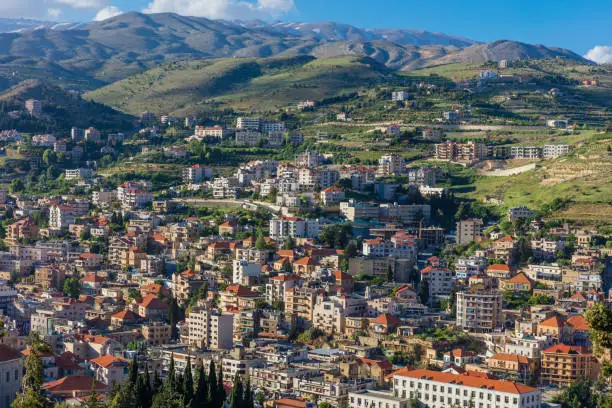
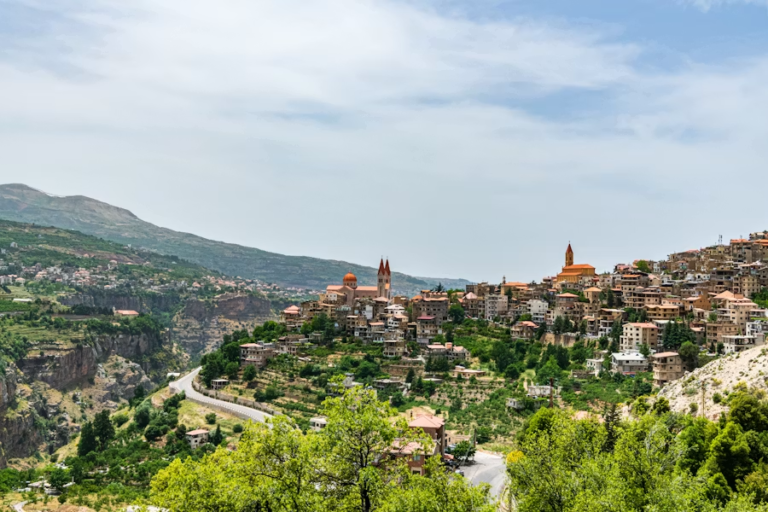
A charming mountain town known for traditional Lebanese architecture, beautiful landscapes, and its connection to Lebanese writer Kahlil Gibran.
Kahlil Gibran Museum
A museum dedicated to the famous Lebanese poet, writer, and artist, displaying his paintings, manuscripts, and personal belongings in a historic setting.
Gibran’s Birthplace
A historic location connected to Kahlil Gibran’s early life and the cultural heritage of Bcharre.
Wadi Qannoubine
A historic area within Qadisha Valley featuring ancient monasteries, caves, and peaceful hiking routes surrounded by dramatic mountain scenery.
Mar Lichaa Monastery
A historic monastery built into the cliffs of Qadisha Valley, reflecting centuries of spiritual traditions and mountain life.
Arz Bcharre Ski Resort
A popular winter destination near the cedar forest offering skiing, snowboarding, and mountain activities during the snowy season.
Horsh Ehden Nature Reserve
A protected natural area near the Cedars of God featuring diverse forests, wildlife, hiking trails, and stunning mountain views.
Kadisha Valley Hiking Trails
Beautiful walking routes connecting forests, monasteries, caves, and viewpoints throughout one of Lebanon’s most scenic regions.
The Great Cedar Trail
A nature trail offering visitors the opportunity to explore mountain landscapes, cedar forests, and panoramic viewpoints.
Qadisha Monasteries
Ancient religious sites hidden within the valley cliffs, showcasing Lebanon’s spiritual heritage and historic architecture.
Bcharre Viewpoints
Mountain viewpoints offering spectacular views of valleys, forests, and Lebanon’s rugged northern landscapes.
Lebanese Mountain Villages
Nearby villages provide opportunities to experience traditional architecture, local cuisine, crafts, and authentic mountain hospitality.
Local Mountain Restaurants
Restaurants around Bcharre and the Cedars area serve traditional Lebanese dishes, including mezze, grilled specialties, and seasonal mountain foods.
Things to Do at Cedars of God
Unique Experiences at Cedars of God
- Walk among ancient cedar trees.
- Explore UNESCO-listed natural heritage.
- Enjoy mountain hiking trails.
- Visit nearby monasteries and valleys.
- Learn about Lebanon’s cedar history.
- Experience winter landscapes and snow activities.
- Enjoy breathtaking mountain photography.
What to Do at Cedars of God
- Explore the cedar forest pathways.
- Visit nearby cultural attractions.
- Hike through Qadisha Valley.
- Discover Lebanese mountain traditions.
- Enjoy scenic drives through Mount Lebanon.
- Visit museums and heritage sites.
- Taste traditional mountain cuisine.
Fun Things to Do with Family, Couples & Friends
- Take a peaceful walk through the forest.
- Enjoy a picnic surrounded by cedar trees.
- Capture beautiful mountain photographs.
- Visit Bcharre and nearby attractions.
- Explore historic monasteries.
- Enjoy snow activities in winter.
- Watch sunrise and sunset over the mountains.
- Experience the peaceful atmosphere of Lebanon’s highlands.
Conclusion
The Cedars of God is one of Lebanon’s most treasured destinations, offering a remarkable combination of natural beauty, cultural heritage, and spiritual significance. From its ancient cedar trees and UNESCO recognition to its breathtaking mountain surroundings and connection to Lebanese identity, the forest provides an unforgettable experience for every visitor.
Whether you are a nature lover, history enthusiast, photographer, or traveler seeking a peaceful escape, the Cedars of God offers a unique journey into Lebanon’s ancient landscapes. With its legendary trees, stunning scenery, and deep cultural importance, it remains one of the country’s most precious natural landmarks.