Overview of Madaba
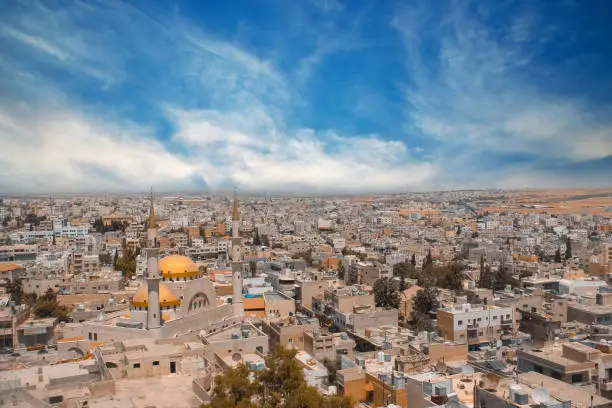
Madaba is one of Jordan’s most charming historical cities, famous for its ancient mosaics, religious heritage, and rich cultural traditions. Known as the “City of Mosaics,” Madaba is best recognized for its extraordinary Byzantine and Umayyad-era artwork, especially the famous Madaba Map, one of the oldest surviving maps of the Holy Land.
Located south of Amman, Madaba is a peaceful destination that combines history, spirituality, art, and authentic Jordanian culture. The city’s narrow streets, traditional markets, historic churches, and archaeological sites offer visitors a unique glimpse into Jordan’s diverse heritage.
Unlike the dramatic landscapes of Wadi Rum or the ancient wonders of Petra, Madaba provides a more relaxed cultural experience where travelers can explore centuries-old mosaics, visit important religious landmarks, enjoy local cuisine, and discover the warmth of a traditional Jordanian city.
From ancient churches and sacred sites to mountain viewpoints and artisan workshops, Madaba offers unforgettable experiences for families, pilgrims, history lovers, and cultural travelers.
History & Cultural Significance of Madaba
Madaba has a history dating back thousands of years and has been inhabited since the Bronze Age. The city became especially important during the Byzantine period when it developed into a major center of Christian art and mosaic production.
During the 5th and 6th centuries CE, Madaba flourished as part of the Byzantine Empire, and many churches were decorated with intricate mosaics depicting biblical scenes, animals, plants, and geometric patterns. These artworks reveal the exceptional skill and creativity of ancient craftsmen.
The city is most famous for the Madaba Map, a 6th-century Byzantine mosaic map showing Jerusalem and the Holy Land. It remains one of the most valuable historical representations of the region.
Today, Madaba continues to preserve its multicultural identity, with Christian and Muslim communities living together and maintaining the city’s traditions, religious importance, and artistic heritage.
Best Time to Visit Madaba
The best time to visit Madaba is from March to May and September to November, when temperatures are pleasant for exploring churches, archaeological sites, and outdoor attractions.
Madaba Weather Guide
Spring (March–May): Mild temperatures (12°C–25°C), ideal for sightseeing, walking tours, and exploring historical landmarks.
Summer (June–August): Warm temperatures (22°C–35°C), with mornings and evenings being the most comfortable times for outdoor activities.
Autumn (September–November): Pleasant temperatures (15°C–28°C), perfect for cultural visits and exploring nearby attractions.
Winter (December–February): Cooler temperatures (5°C–15°C), with occasional rainfall and a quieter atmosphere for visitors.
Festivals and Events to Experience
Madaba hosts various cultural, religious, and community events throughout the year, including:
- Madaba Mosaic Festival
- Religious and heritage celebrations
- Traditional music performances
- Local handicraft exhibitions
- Cultural workshops
- Jordanian national celebrations
- Community and food events
These events celebrate Madaba’s artistic traditions, religious heritage, local crafts, and Jordanian hospitality.
15 Best Places to Visit in Madaba
St. George’s Greek Orthodox Church
One of Madaba’s most famous landmarks, this historic church is home to the Madaba Map, a remarkable Byzantine mosaic depicting the Holy Land and Jerusalem. It is one of the city’s most important cultural and religious attractions.
Madaba Archaeological Park
A fascinating site containing ancient churches, mosaics, and archaeological remains that showcase Madaba’s Byzantine and Roman history.
Madaba Mosaic School
A renowned institution dedicated to preserving the traditional art of mosaic-making. Visitors can learn about ancient techniques and see skilled artisans creating beautiful artworks.
Church of the Apostles
A historic Byzantine church famous for its detailed mosaic floors, including a large central mosaic featuring symbolic designs and artistic patterns.
Mount Nebo
One of Jordan’s most important religious and historical sites, believed to be the place where Moses viewed the Holy Land. The mountain offers breathtaking views over the Jordan Valley and the Dead Sea.
La Storia Tourism Complex
A cultural attraction featuring exhibitions, historical displays, and experiences that introduce visitors to Jordanian heritage and traditions.
Shrine of the Beheading of Saint John the Baptist
A historic religious site featuring a church, archaeological remains, and a bell tower offering panoramic views of Madaba.
Burnt Palace
An archaeological site featuring the remains of a Byzantine-era building with impressive mosaic floors and evidence of ancient urban life.
Church of the Virgin Mary
An important historical church containing beautiful mosaic artwork and archaeological discoveries from Madaba’s Christian heritage.
Madaba Old Town
The heart of the city, featuring traditional streets, local shops, restaurants, souvenir stores, and a welcoming atmosphere.
Haret Jdoudna
A cultural and dining destination offering traditional Jordanian cuisine in a historic setting, perfect for experiencing local flavors.
Ma’in Hot Springs (Nearby Attraction)
A natural thermal spring destination located near Madaba, offering warm mineral-rich waters, beautiful landscapes, and relaxation experiences.
Mukawir (Machaerus)
An ancient hilltop fortress near Madaba associated with Herod the Great and the story of John the Baptist. It offers impressive views of the surrounding countryside.
Dead Sea Viewpoints (Nearby Attraction)
Several locations near Madaba provide spectacular views of the Dead Sea and surrounding landscapes, especially during sunset.
Wadi Al Mujib (Nearby Attraction)
A stunning nature reserve known for dramatic canyons, hiking trails, and adventure experiences in a unique natural environment.
Things to Do in Madaba
Unique Experiences in Madaba
- Discover the famous Madaba Map.
- Explore ancient churches and mosaics.
- Visit Mount Nebo and enjoy panoramic views.
- Learn traditional mosaic-making techniques.
- Walk through the historic city streets.
- Taste authentic Jordanian cuisine.
- Shop for handmade crafts and souvenirs.
What to Do in Madaba
- Explore Byzantine and Roman archaeological sites.
- Visit religious landmarks and historic churches.
- Discover local art and traditional crafts.
- Enjoy cultural walking tours.
- Experience Jordanian hospitality.
- Take scenic trips to nearby natural attractions.
- Combine Madaba with visits to the Dead Sea and Amman.
Fun Things to Do with Family, Couples & Friends
- Explore ancient mosaics together.
- Take photos from Mount Nebo viewpoints.
- Enjoy traditional meals in local restaurants.
- Visit artisan workshops.
- Walk through Madaba’s charming streets.
- Shop for handmade mosaic artworks.
- Discover nearby natural landscapes.
- Experience the city’s peaceful cultural atmosphere.
Conclusion
Madaba is one of Jordan’s most fascinating destinations, offering a beautiful blend of history, art, spirituality, and local culture. From the world-famous Madaba Map and ancient Byzantine mosaics to the breathtaking views from Mount Nebo, the city provides a unique journey through Jordan’s rich heritage.
Whether you are a history enthusiast, religious traveler, art lover, or cultural explorer, Madaba offers unforgettable experiences in a peaceful and welcoming setting. With its remarkable mosaics, historic landmarks, and traditional charm, the City of Mosaics remains one of Jordan’s most treasured destinations.