Overview of Petra
Petra is one of the world’s most extraordinary archaeological sites and Jordan’s most famous tourist destination. Known as the “Rose City” because of the pink sandstone cliffs from which it was carved, Petra is an ancient city that showcases the remarkable engineering, architecture, and creativity of the Nabataean civilization.
Located in southern Jordan near the town of Wadi Musa, Petra is a UNESCO World Heritage Site and one of the New Seven Wonders of the World. Hidden among dramatic desert mountains, the city features magnificent rock-cut temples, tombs, monuments, and pathways that reveal the fascinating history of an ancient trading empire.
Unlike any other destination in Jordan, Petra offers a journey through time where visitors can walk through the narrow Siq canyon, discover the iconic Treasury, explore ancient tombs, and experience the mystery of a civilization that flourished more than 2,000 years ago.
From breathtaking archaeological wonders and desert landscapes to cultural experiences and adventure activities, Petra offers unforgettable experiences for history lovers, photographers, families, and travelers seeking one of the world’s greatest heritage sites.
History & Cultural Significance of Petra
Petra was established around the 4th century BCE by the Nabataeans, an ancient Arab civilization known for their advanced architecture, water management systems, and trading skills. The city became the capital of the Nabataean Kingdom and an important crossroads connecting Arabia, Egypt, and the Mediterranean world.
The Nabataeans transformed Petra into a thriving commercial center by creating an impressive network of channels, reservoirs, and dams that allowed the city to survive in the harsh desert environment. Its strategic location helped it become a major hub for the trade of spices, silk, incense, and other valuable goods.
After the Roman annexation of the Nabataean Kingdom in 106 CE, Petra continued to play an important regional role before gradually declining due to changes in trade routes and natural disasters.
Rediscovered by the Western world in the 19th century, Petra has since become one of the most important archaeological and cultural treasures on Earth. Today, it represents Jordan’s rich heritage and attracts millions of visitors from around the globe.
Best Time to Visit Petra
The best time to visit Petra is from March to May and September to November, when temperatures are comfortable for walking, hiking, and exploring the archaeological site.
Petra Weather Guide
Spring (March–May): Mild temperatures (12°C–25°C), making it one of the best seasons for exploring Petra’s trails, monuments, and viewpoints.
Summer (June–August): Hot temperatures (20°C–35°C), with early morning and late afternoon visits recommended to avoid the strongest heat.
Autumn (September–November): Pleasant temperatures (15°C–28°C), ideal for sightseeing and outdoor adventures.
Winter (December–February): Cooler temperatures (5°C–15°C), with occasional rain and cold evenings. Some days may experience dramatic weather changes.
Festivals and Events to Experience
Petra and the surrounding region host several cultural and heritage events throughout the year, including:
- Petra by Night cultural experience
- Petra International Film Festival
- Local Bedouin cultural events
- Traditional music performances
- Jordan heritage celebrations
- Archaeological and cultural programs
These events highlight Jordanian traditions, Bedouin culture, music, storytelling, and the historical importance of Petra.
15 Best Places to Visit in Petra
The Treasury (Al-Khazneh)
The most famous monument in Petra, the Treasury is a magnificent structure carved directly into the rose-colored sandstone cliffs. Originally believed to be a royal tomb, it is Petra’s most photographed landmark and the first major sight visitors encounter after walking through the Siq.
The Siq
The Siq is a narrow natural canyon stretching over one kilometer and serving as the dramatic entrance to Petra. Walking through its towering cliffs offers a breathtaking introduction to the ancient city.
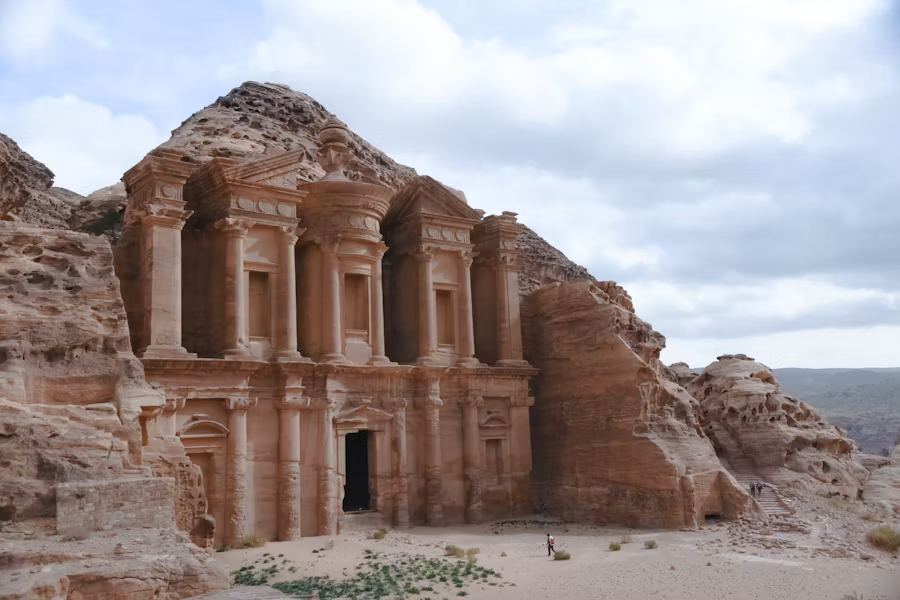
The Monastery (Ad Deir)
One of Petra’s largest and most impressive monuments, the Monastery sits high in the mountains and requires a climb of hundreds of steps. The reward is a spectacular view and one of the site’s most remarkable architectural achievements.
Royal Tombs
A collection of impressive tombs carved into the mountainside, the Royal Tombs showcase the Nabataeans’ extraordinary craftsmanship and provide stunning views over Petra.
The Great Temple
An important archaeological complex believed to have been a major public building during Petra’s peak period, featuring large columns, courtyards, and fascinating historical remains.
The Colonnaded Street
An ancient Roman-style street that once formed part of Petra’s city center, lined with shops, temples, and public buildings.
The High Place of Sacrifice
A mountain-top ceremonial site offering breathtaking views over Petra. Visitors can explore ancient altars and experience one of the city’s most dramatic viewpoints.
Petra Museum
A modern museum near the entrance of Petra, displaying artifacts, exhibits, and information about Nabataean civilization and the history of the ancient city.
The Church of Petra
An ancient Byzantine church featuring remarkable mosaics and archaeological remains that reveal Petra’s later history.
Qasr Al-Bint
One of Petra’s most important temples, believed to have been dedicated to Nabataean gods. It remains one of the best-preserved freestanding structures in the city.
Little Petra (Siq Al-Barid)
A smaller archaeological site located near Petra, featuring carved buildings, caves, and ancient structures connected to the Nabataean civilization.
The Cave Bar
A unique attraction located inside a 2,000-year-old Nabataean tomb, offering a memorable dining experience near Petra.
Wadi Musa
The modern town surrounding Petra, offering hotels, restaurants, local markets, and opportunities to experience Jordanian hospitality.
Petra Viewpoints
Several hiking trails lead to spectacular viewpoints overlooking the Treasury, mountains, and valleys, making them popular with photographers and adventure travelers.
Petra Archaeological Park
The protected area containing Petra’s main monuments, trails, and archaeological discoveries. It offers multiple routes for visitors with different interests and fitness levels.
Things to Do in Petra
Unique Experiences in Petra
- Walk through the dramatic Siq canyon.
- See the Treasury at sunrise or sunset.
- Hike to the Monastery.
- Experience Petra by Night with candlelit pathways and traditional music.
- Explore ancient tombs and temples.
- Discover Nabataean history at Petra Museum.
- Enjoy Bedouin hospitality and traditional tea.
What to Do in Petra
- Explore UNESCO-listed archaeological sites.
- Take scenic hiking routes through the mountains.
- Visit ancient temples and tombs.
- Photograph Petra’s famous sandstone landscapes.
- Learn about Nabataean engineering and culture.
- Explore nearby Little Petra.
- Experience local Jordanian cuisine and traditions.
Fun Things to Do with Family, Couples & Friends
- Take memorable photos at the Treasury.
- Explore Petra’s hidden trails together.
- Watch the sunset over the desert mountains.
- Enjoy a traditional Bedouin meal.
- Visit Petra by Night.
- Discover ancient ruins and archaeological wonders.
- Shop for handmade souvenirs and local crafts.
- Explore nearby Wadi Musa attractions.
Conclusion
Petra is one of the world’s most remarkable destinations, offering an unforgettable combination of history, architecture, adventure, and natural beauty. From the iconic Treasury and mysterious Siq to the breathtaking Monastery and ancient mountain trails, Petra provides a journey into one of humanity’s greatest civilizations.
Whether you are a history enthusiast, adventure traveler, photographer, or cultural explorer, Petra offers a once-in-a-lifetime experience. As Jordan’s most treasured landmark and one of the world’s greatest archaeological wonders, the Rose City continues to inspire visitors with its beauty, mystery, and timeless heritage.