Overview of Sidon
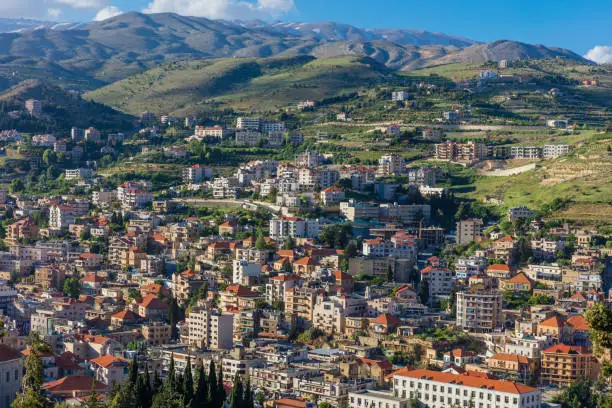
Sidon is one of Lebanon’s oldest and most historically significant coastal cities, renowned for its rich Phoenician heritage, medieval sea castle, bustling traditional souks, and picturesque Mediterranean waterfront. Located approximately 40 kilometers south of Beirut, Sidon has been an important port city for thousands of years and remains one of Lebanon’s most fascinating cultural destinations.
As one of the principal cities of the ancient Phoenician civilization, Sidon played a vital role in maritime trade, shipbuilding, glassmaking, and commerce throughout the Mediterranean. Today, the city seamlessly blends its ancient history with modern Lebanese life, offering visitors a unique combination of archaeological sites, historic landmarks, lively markets, and authentic local experiences.
Unlike the cosmopolitan atmosphere of Beirut or the medieval charm of Byblos, Sidon provides an authentic glimpse into Lebanon’s maritime heritage, where visitors can explore ancient castles, stroll through centuries-old souks, enjoy fresh seafood, and experience the city’s vibrant coastal culture.
From impressive historical monuments and traditional markets to beautiful sea views and cultural attractions, Sidon offers unforgettable experiences for families, history enthusiasts, photographers, and food lovers.
History & Cultural Significance of Sidon
Sidon has a history spanning more than 6,000 years and is considered one of the world’s oldest continuously inhabited cities. During the Phoenician era, Sidon became one of the Mediterranean’s leading commercial and maritime powers, renowned for its skilled sailors, shipbuilders, and glassmakers.
The city flourished through trade with Egypt, Greece, Rome, and other ancient civilizations. Sidon was especially famous for producing purple dye extracted from sea snails, a valuable luxury product that symbolized wealth and royalty throughout the ancient world.
Throughout history, Sidon was ruled by the Assyrians, Babylonians, Persians, Greeks, Romans, Byzantines, Crusaders, Mamluks, and Ottomans. Each civilization contributed to the city’s remarkable architectural and cultural heritage.
Today, Sidon preserves its historical identity through well-preserved monuments, archaeological sites, traditional markets, and vibrant local traditions, making it one of Lebanon’s most important cultural destinations.
Best Time to Visit Sidon
The best time to visit Sidon is from April to June and September to November, when pleasant weather makes sightseeing, walking tours, and coastal activities especially enjoyable.
Sidon Weather Guide
Spring (March–May): Mild temperatures (16°C–25°C), ideal for exploring historical attractions and enjoying the waterfront.
Summer (June–August): Warm temperatures (25°C–32°C), perfect for beaches, seafood dining, and evening walks.
Autumn (September–November): Comfortable temperatures (19°C–28°C), making it one of the best seasons for cultural exploration.
Winter (December–February): Cool temperatures (10°C–18°C), with occasional rainfall and fewer crowds.
Festivals and Events to Experience
Sidon hosts a variety of cultural and community events throughout the year, including:
- Sidon Cultural Festival
- Traditional Lebanese music performances
- Heritage and folklore celebrations
- Seafood and local food festivals
- Artisan and handicraft exhibitions
- Religious celebrations
- National holiday events
- Community cultural programs
These events celebrate Sidon’s rich maritime heritage, local traditions, arts, music, and cuisine.
15 Best Places to Visit in Sidon
Sidon Sea Castle
The city’s most famous landmark, this magnificent Crusader castle was built in the 13th century on a small island connected to the mainland by a stone bridge. It offers panoramic views of the Mediterranean Sea and Sidon’s harbor.
Sidon Old Souk
A vibrant traditional market featuring narrow alleyways lined with shops selling spices, textiles, handicrafts, jewelry, antiques, and local products.
Soap Museum
A beautifully restored historic building showcasing Sidon’s centuries-old soap-making tradition using olive oil and natural ingredients.
Khan Al-Franj
A historic caravanserai built during the Ottoman period that once welcomed merchants from across the Mediterranean. Today, it hosts cultural events and exhibitions.
Debbane Palace
One of Lebanon’s finest examples of Ottoman residential architecture, featuring elegant courtyards, intricate decorations, and historical exhibits.
Sidon Port
A lively fishing harbor where visitors can watch local fishermen, enjoy fresh seafood, and experience the city’s maritime traditions.
Temple of Eshmun
One of the most important Phoenician archaeological sites in Lebanon, dedicated to the ancient god of healing and featuring impressive ruins and carvings.
Sidon Waterfront
A scenic promenade offering beautiful Mediterranean views, cafés, restaurants, and relaxing walking paths.
Great Omari Mosque
A historic mosque originally built during the Crusader period and later converted into one of Sidon’s most important Islamic landmarks.
Saint Louis Castle
A hilltop Crusader fortress offering panoramic views of the city and surrounding coastline, with impressive medieval ruins to explore.
Sidon Archaeological Museum
A museum displaying artifacts from the Phoenician, Roman, Byzantine, and Islamic periods, providing insight into the city’s long history.
Traditional Fish Market
A lively market where visitors can experience the daily rhythm of Sidon’s fishing community and sample fresh local seafood.
Sidon Public Beach
A popular coastal destination where visitors can relax by the Mediterranean, swim, and enjoy the seaside atmosphere.
Old Residential Quarter
A charming neighborhood featuring traditional Lebanese houses, historic streets, artisan workshops, and local cafés.
Murex Heritage Sites
Historical locations connected to the ancient production of the famous Phoenician purple dye, highlighting Sidon’s importance in Mediterranean trade.
Things to Do in Sidon
Unique Experiences in Sidon
- Explore the historic Sea Castle.
- Walk through the traditional Old Souk.
- Visit the ancient Temple of Eshmun.
- Learn about traditional soap-making.
- Enjoy fresh seafood by the harbor.
- Discover Phoenician history.
- Watch beautiful Mediterranean sunsets.
What to Do in Sidon
- Visit archaeological and historical landmarks.
- Explore Ottoman-era buildings.
- Shop for handmade crafts and local products.
- Enjoy Lebanese cuisine in waterfront restaurants.
- Discover museums and cultural attractions.
- Walk along the Mediterranean promenade.
- Experience authentic Lebanese coastal life.
Fun Things to Do with Family, Couples & Friends
- Visit the Sea Castle together.
- Explore the bustling souks.
- Enjoy a seafood lunch overlooking the harbor.
- Take memorable photos along the waterfront.
- Visit museums and historical sites.
- Shop for traditional souvenirs.
- Watch fishing boats return to the port.
- Relax with evening walks by the sea.
Conclusion
Sidon is one of Lebanon’s most remarkable destinations, offering a captivating blend of ancient history, Mediterranean beauty, and vibrant local culture. From its iconic Sea Castle and fascinating Phoenician heritage to its lively souks, traditional soap workshops, and scenic harbor, the city provides an unforgettable journey through thousands of years of civilization.
Whether you are a history enthusiast, culture lover, photographer, or foodie, Sidon offers a unique opportunity to experience Lebanon’s rich maritime legacy. With its welcoming atmosphere, historic landmarks, and timeless coastal charm, Sidon remains one of Lebanon’s most treasured destinations and an essential stop for anyone exploring the country.