Overview of Al Salt
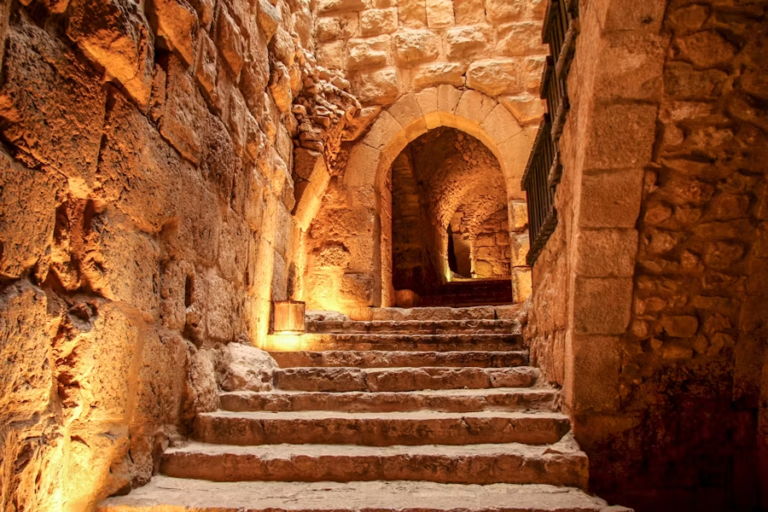
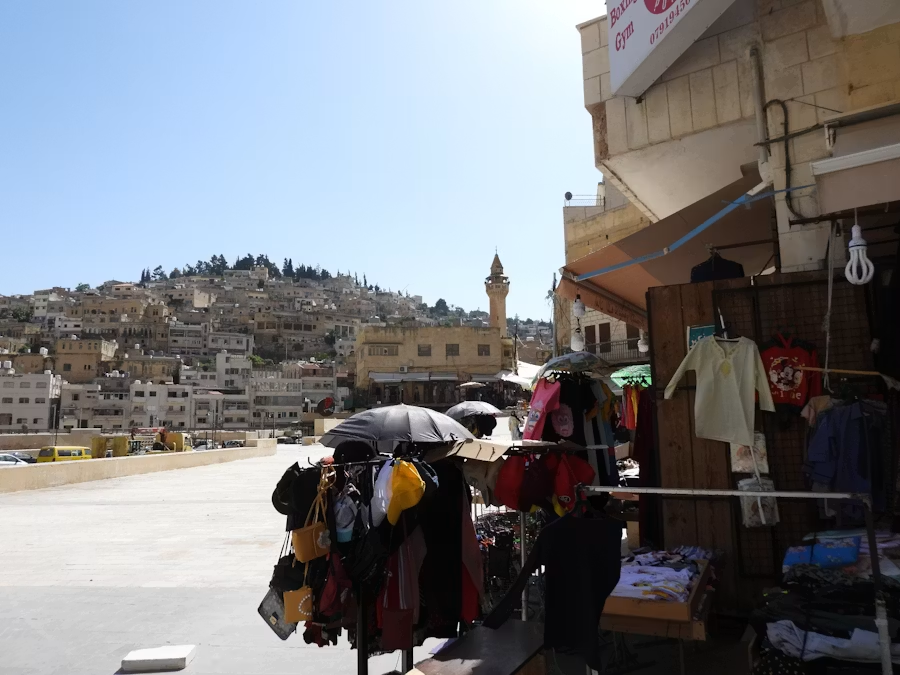
Al Salt is one of Jordan’s most historic and culturally significant cities, known for its beautiful Ottoman-era architecture, traditional markets, and rich history of coexistence between different communities. Located northwest of Amman, Al Salt is famous for its distinctive yellow limestone buildings, charming hillside streets, and welcoming atmosphere.
Recognized as a UNESCO World Heritage Site, Al Salt represents the story of tolerance, hospitality, and cultural exchange in Jordan. The city was once an important regional trading center connecting the Jordan Valley with the surrounding areas and played a major role during the late Ottoman period.
Unlike the modern energy of Amman or the ancient ruins of Petra and Jerash, Al Salt offers a slower and more authentic experience where visitors can explore historic neighborhoods, traditional houses, museums, local markets, and cultural landmarks.
From Ottoman architecture and heritage trails to local cuisine and panoramic hilltop views, Al Salt provides unforgettable experiences for history lovers, families, photographers, and travelers seeking authentic Jordanian culture.
History & Cultural Significance of Al Salt
Al Salt has a history stretching back thousands of years and has been inhabited by several civilizations, including the Romans, Byzantines, and Islamic dynasties. The city’s strategic location between the Jordan Valley and the eastern highlands helped it develop as an important center for trade and communication.
During the late Ottoman period in the 19th and early 20th centuries, Al Salt experienced a golden age. Wealthy merchants built impressive limestone houses featuring traditional architectural designs influenced by Ottoman, Levantine, and local styles. These historic buildings became symbols of the city’s prosperity and cultural diversity.
The city was also known for peaceful relationships between Muslim and Christian communities, who shared neighborhoods, markets, and social traditions. This unique heritage of tolerance and coexistence contributed to Al Salt being recognized as a UNESCO World Heritage Site.
Today, Al Salt preserves its historic identity through restored buildings, museums, cultural programs, and heritage tourism initiatives while continuing to reflect the warmth and hospitality of Jordanian society.
Best Time to Visit Al Salt
The best time to visit Al Salt is from March to May and September to November, when the weather is comfortable for walking tours, exploring historic streets, and enjoying outdoor viewpoints.
Al Salt Weather Guide
Spring (March–May): Pleasant temperatures (12°C–25°C), ideal for exploring heritage sites, walking through old neighborhoods, and enjoying scenic views.
Summer (June–August): Warm temperatures (20°C–32°C), with mornings and evenings being the best times for outdoor activities.
Autumn (September–November): Mild temperatures (15°C–28°C), perfect for cultural tours, photography, and local experiences.
Winter (December–February): Cooler temperatures (5°C–15°C), with occasional rain and a peaceful atmosphere for visitors.
Festivals and Events to Experience
Al Salt hosts a variety of cultural and community events throughout the year, including:
- Al Salt International Festival
- Heritage and cultural celebrations
- Traditional music performances
- Local food festivals
- Handicraft exhibitions
- Jordanian national celebrations
- Community heritage programs
These events highlight Al Salt’s traditions, local crafts, cuisine, architecture, and the city’s unique cultural identity.
15 Best Places to Visit in Al Salt
Historic As-Salt Museum
A cultural museum located in a beautifully restored historic building, showcasing the city’s history, traditional lifestyle, artifacts, and heritage.
Al Khader Church
One of Al Salt’s important religious landmarks, representing the city’s Christian heritage and its tradition of religious coexistence.
Abu Jaber Museum
A historic Ottoman-era mansion that provides insight into Al Salt’s merchant families, architecture, and social history.
Hammam Street
A famous historic street in the heart of old Al Salt, filled with traditional shops, restaurants, crafts, and beautiful old buildings.
Al Salt Heritage Trail
A walking route through the city’s historic neighborhoods, allowing visitors to discover Ottoman houses, cultural sites, markets, and architectural treasures.
Great Mosque of Al Salt
A historic mosque reflecting the city’s Islamic heritage and traditional architectural style.
Al Ain Plaza
A charming public area surrounded by historic buildings, offering a glimpse into the daily life and community atmosphere of old Al Salt.
Ottoman Houses
Al Salt is famous for its traditional yellow limestone houses featuring impressive balconies, arches, and decorative details. Exploring these buildings is one of the city’s main attractions.
Al Salt Archaeological Museum
A museum featuring historical artifacts and archaeological discoveries that highlight the city’s long history.
Jadal for Knowledge and Culture
A cultural center offering workshops, exhibitions, discussions, and activities promoting learning and community engagement.
Al Salt Market (Souq)
A traditional marketplace where visitors can explore local products, spices, handicrafts, sweets, and everyday Jordanian life.
Al Balqa Viewpoints
Several locations around Al Salt offer panoramic views of the surrounding hills, valleys, and countryside landscapes.
House of Abu Jaber
A beautifully preserved historic residence showcasing the architecture and lifestyle of wealthy families during Al Salt’s golden era.
Jordan Heritage Revival Company Sites
Cultural initiatives focused on preserving traditional crafts, architecture, and heritage experiences in the city.
Wadi Shueib (Nearby Attraction)
A scenic valley near Al Salt offering natural landscapes, agricultural areas, and opportunities to experience rural Jordanian life.
Things to Do in Al Salt
Unique Experiences in Al Salt
- Walk through the historic streets of old Al Salt.
- Explore Ottoman-era limestone buildings.
- Visit museums and cultural centers.
- Experience traditional Jordanian food.
- Discover local crafts and handmade products.
- Enjoy panoramic views from the city’s hills.
- Learn about Jordan’s traditions of coexistence and hospitality.
What to Do in Al Salt
- Follow the Al Salt Heritage Trail.
- Explore historic houses and museums.
- Visit religious and cultural landmarks.
- Shop at traditional markets.
- Taste local dishes and sweets.
- Photograph unique architecture.
- Experience authentic Jordanian daily life.
Fun Things to Do with Family, Couples & Friends
- Take a walking tour through old Al Salt.
- Capture photos of historic buildings.
- Enjoy traditional meals together.
- Visit museums and heritage sites.
- Explore local markets.
- Discover hidden streets and viewpoints.
- Buy handmade souvenirs.
- Experience the city’s peaceful atmosphere.
Conclusion
Al Salt is one of Jordan’s most charming destinations, offering a remarkable combination of history, architecture, culture, and hospitality. From its golden limestone buildings and Ottoman heritage houses to its traditional markets and stories of peaceful coexistence, the city provides a unique window into Jordan’s past and present.
Whether you are interested in history, architecture, photography, food, or authentic cultural experiences, Al Salt offers a memorable journey away from the usual tourist routes. With its UNESCO-listed heritage, welcoming communities, and timeless charm, Al Salt remains one of Jordan’s most treasured destinations.