Overview of Tripoli
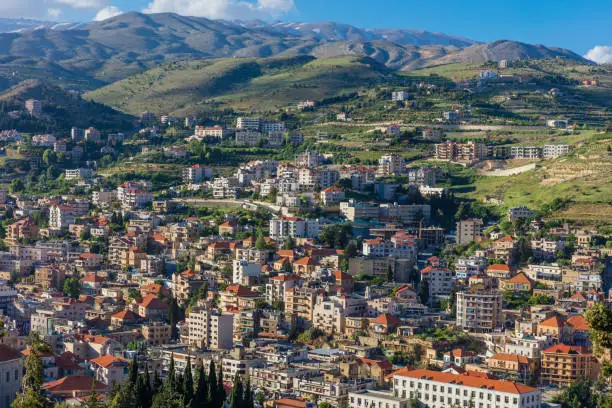
Tripoli is Lebanon’s second-largest city and one of the country’s most fascinating historical and cultural destinations. Located on the Mediterranean coast in northern Lebanon, Tripoli is renowned for its magnificent Mamluk architecture, ancient citadel, traditional souks, historic mosques, and vibrant local culture. Often referred to as the “Capital of Northern Lebanon,” the city offers visitors an authentic blend of history, heritage, and coastal charm.
Unlike the cosmopolitan atmosphere of Beirut, Tripoli preserves much of its medieval character through its narrow streets, centuries-old markets, beautifully restored buildings, and traditional artisan workshops. The city is also famous for its delicious Lebanese sweets, particularly its iconic Arabic desserts, making it a favorite destination for food lovers.
From historic landmarks and bustling bazaars to seaside attractions and cultural experiences, Tripoli offers unforgettable adventures for history enthusiasts, families, photographers, and travelers seeking an authentic Lebanese experience.
History & Cultural Significance of Tripoli
Tripoli has a history spanning more than 4,000 years and has been home to numerous civilizations, including the Phoenicians, Persians, Romans, Byzantines, Crusaders, Mamluks, and Ottomans. Originally founded as a federation of three Phoenician cities, Tripoli became one of the eastern Mediterranean’s most important trading centers.
During the Crusader period, the city played a strategic role before being conquered by the Mamluks in the late 13th century. Under Mamluk rule, Tripoli flourished as a center of Islamic architecture, commerce, education, and craftsmanship. Many of the city’s mosques, hammams, khans, and madrasas date from this golden era and remain remarkably well preserved.
Tripoli continued to prosper during the Ottoman period, becoming an important port for trade throughout the eastern Mediterranean. Today, the city is celebrated for its rich architectural heritage, traditional markets, religious landmarks, and enduring cultural traditions.
Best Time to Visit Tripoli
The best time to visit Tripoli is from April to June and September to November, when pleasant temperatures make sightseeing, walking tours, and coastal activities especially enjoyable.
Tripoli Weather Guide
Spring (March–May): Mild temperatures (15°C–24°C), ideal for exploring historical sites, markets, and outdoor attractions.
Summer (June–August): Warm temperatures (25°C–32°C), perfect for seaside visits, evening walks, and waterfront dining.
Autumn (September–November): Comfortable temperatures (18°C–28°C), making it one of the best seasons for cultural exploration.
Winter (December–February): Cool temperatures (10°C–18°C), with occasional rainfall and fewer tourists.
Festivals and Events to Experience
Tripoli hosts a variety of cultural and community events throughout the year, including:
- Tripoli International Festival
- Traditional music and folklore performances
- Lebanese food festivals
- Cultural heritage celebrations
- Art and handicraft exhibitions
- Religious festivals
- Ramadan and Eid celebrations
- Community cultural events
These celebrations showcase Tripoli’s rich traditions, cuisine, craftsmanship, and multicultural heritage.
15 Best Places to Visit in Tripoli
Tripoli Citadel (Saint-Gilles Castle)
The city’s most iconic landmark, this impressive hilltop fortress dates back to the Crusader period and was later expanded by the Mamluks. Visitors can explore its towers, courtyards, tunnels, and enjoy panoramic views of Tripoli.
Tripoli Old Souks
One of the best-preserved traditional markets in the Middle East, the Old Souks feature narrow streets lined with spice shops, artisan workshops, textile stores, jewelry shops, and local cafés.
Al-Mansouri Great Mosque
One of Lebanon’s largest and most important historic mosques, built during the Mamluk period and admired for its elegant Islamic architecture.
Khan Al-Khayyatin
A beautifully preserved historic caravanserai once used by textile merchants, now home to traditional workshops and local businesses.
Khan Al-Saboun
Known as the Soap Khan, this historic market specializes in handmade olive oil soaps, perfumes, and natural beauty products, reflecting Tripoli’s centuries-old soap-making tradition.
Hammam Al-Nouri
A historic Ottoman bathhouse showcasing traditional architecture and offering insight into the city’s social and cultural history.
Tell Archaeological Site
An important archaeological area featuring remains from ancient civilizations that once inhabited the region.
Tripoli Port
A lively harbor offering beautiful Mediterranean views, fresh seafood restaurants, and boat excursions.
El Mina
A charming coastal district known for its colorful fishing boats, waterfront cafés, historic streets, and relaxed seaside atmosphere.
Palm Islands Nature Reserve
A protected group of islands located just offshore, famous for sandy beaches, marine life, migratory birds, and sea turtles.
Clock Tower Square
A central landmark built during the Ottoman era, surrounded by historic buildings, shops, and cafés.
Taynal Mosque
A magnificent Mamluk-era mosque known for its impressive architecture, peaceful gardens, and historical significance.
Soap Museum
A museum dedicated to Tripoli’s famous soap industry, where visitors can learn about traditional production methods and local craftsmanship.
Traditional Sweet Shops
Tripoli is celebrated throughout Lebanon for its delicious Arabic sweets, including baklava, maamoul, knefeh, and other local specialties.
Rashid Karami International Fair
An architectural landmark designed by renowned Brazilian architect Oscar Niemeyer, showcasing one of the Middle East’s most significant modernist projects.
Things to Do in Tripoli
Unique Experiences in Tripoli
- Explore the medieval Old Souks.
- Visit the historic Tripoli Citadel.
- Discover Mamluk architecture.
- Taste authentic Lebanese sweets.
- Visit traditional soap workshops.
- Walk along El Mina’s waterfront.
- Experience local markets and artisan crafts.
What to Do in Tripoli
- Explore historic mosques and religious landmarks.
- Visit museums and archaeological sites.
- Shop for handmade crafts and souvenirs.
- Enjoy fresh seafood by the Mediterranean.
- Learn about Lebanon’s soap-making traditions.
- Discover Ottoman and Mamluk architecture.
- Take boat trips to the Palm Islands.
Fun Things to Do with Family, Couples & Friends
- Walk through the historic souks together.
- Visit Tripoli Citadel for panoramic city views.
- Enjoy traditional Lebanese cuisine.
- Relax along the El Mina waterfront.
- Explore museums and cultural landmarks.
- Shop for spices, soaps, and handicrafts.
- Take memorable photographs of historic architecture.
- Spend an evening enjoying local cafés and desserts.
Conclusion
Tripoli is one of Lebanon’s most captivating destinations, offering a remarkable combination of history, culture, architecture, and culinary traditions. From its magnificent citadel and beautifully preserved Mamluk monuments to its bustling souks and charming coastal district, the city provides a truly authentic Lebanese experience.
Whether you are a history enthusiast, food lover, architecture admirer, or cultural traveler, Tripoli offers an unforgettable journey through centuries of Mediterranean civilization. With its rich heritage, welcoming atmosphere, and timeless charm, Tripoli remains one of Lebanon’s most rewarding destinations and an essential stop on any visit to Lebanon.