Explore the Siwa Oasis Travel Guide covering top attractions, history, best time to visit, weather, festivals, and things to do in Egypt’s magical Siwa Oasis.
Siwa Oasis Travel Guide
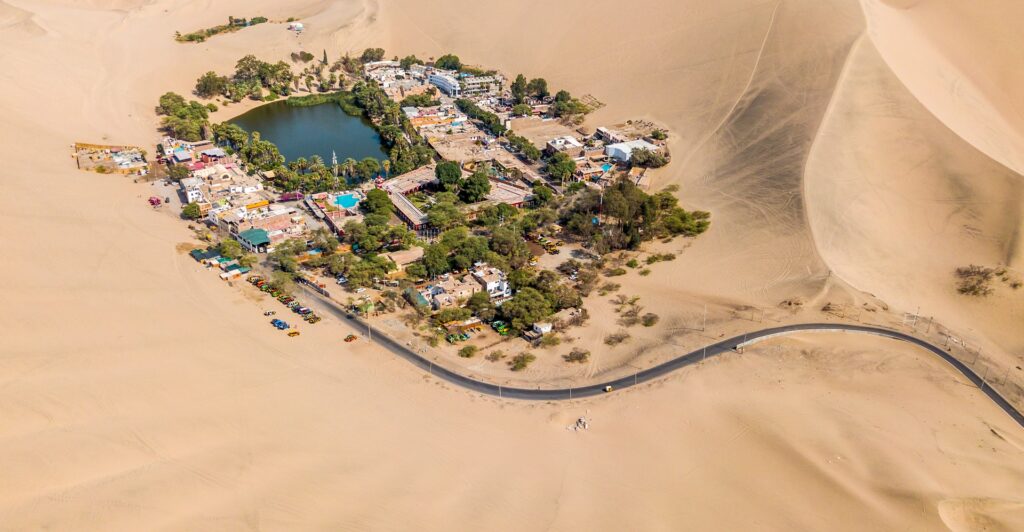
Siwa Oasis travel guide introduces one of Egypt’s most remote and magical desert destinations—Siwa Oasis—located in the Western Desert near the Libyan border. Known for its palm groves, salt lakes, ancient ruins, and unique Amazigh (Berber) culture, Siwa offers a completely different experience from Egypt’s busy cities.
This desert paradise is famous for its peaceful atmosphere, eco-tourism experiences, and preserved cultural identity.
🔗 Internal Link: Explore Egypt Desert Destinations
Siwa Oasis Travel Guide – Overview
The Siwa region is surrounded by vast desert landscapes yet filled with freshwater springs and lush greenery, making it one of the most unique oases in North Africa.
Instead of repeating the exact phrase, travelers also refer to it as:
- Siwa desert escape guide
- Egypt oasis travel experience
- Western Desert cultural destination
It is ideal for travelers seeking wellness, adventure, photography, and cultural immersion.
History & Cultural Importance of Siwa Oasis
The Siwa Oasis travel guide highlights a region inhabited for thousands of years by the Siwan people, an Amazigh community with distinct traditions and language.
One of its most famous landmarks is the Temple of the Oracle of Amun, where Alexander the Great visited in 331 BC to confirm his divine legitimacy.
🔗 External Source:
Traditional architecture such as Shali Fortress was built using kershif (salt and mud), blending naturally into the desert environment.
Best Time to Visit Siwa Oasis Travel Guide
Seasonal Travel Overview
- October to March: Best time with mild temperatures (10°C–25°C)
- April to September: Extremely hot (up to 45°C), limiting outdoor travel
This is why most desert tours and eco-trips are planned in winter.
Top Attractions in Siwa Oasis Travel Guide
Shali Fortress
Shali Fortress is the ancient heart of Siwa, offering panoramic views and historical ruins.
Temple of the Oracle
Temple of the Oracle of Amun is one of Egypt’s most important archaeological sites linked to Alexander the Great.
Cleopatra’s Bath
A natural spring pool surrounded by palm trees, ideal for swimming.
Salt Lakes of Siwa
Bright turquoise lakes with high salinity that allow effortless floating.
Great Sand Sea
Massive dunes perfect for desert safaris and sandboarding.
Fatnas Island
A sunset viewpoint surrounded by palm groves and water reflections.
🔗 Internal Link: Egypt Ancient Sites Guide
Things to Do in Siwa Oasis Travel Guide
Instead of repeating the focus keyword, here are natural variations used in planning experiences:
- Explore Shali Fortress ruins
- Swim in Cleopatra’s Bath
- Float in Siwa salt lakes
- Go desert safari in the Great Sand Sea
- Watch sunset at Fatnas Island
- Visit ancient Oracle Temple ruins
- Experience Amazigh culture and food
- Try sandboarding on dunes
- Stay in eco-lodges surrounded by palms
Festivals & Cultural Events
- Siwa Date Harvest Festival – celebrates local agriculture
- Siyaha Festival – traditional peace and reconciliation gathering
- Cultural craft and music events across the oasis
These events showcase Siwa’s deep cultural roots.
Travel Tips for Siwa Oasis
- Carry enough water for desert excursions
- Visit in winter for comfortable weather
- Hire local guides for desert safaris
- Respect local Amazigh traditions
- Plan extra time due to remote location
Why Visit Siwa Oasis?
Unlike mainstream destinations, Siwa Oasis offers:
- Natural healing springs
- Ancient desert culture
- Unique salt lakes
- Peaceful eco-tourism experience
It remains one of Egypt’s most untouched and spiritually calming destinations.
Internal Travel Links
Final Thoughts
A journey to Siwa is not just a trip—it is an escape into a timeless desert world where nature, history, and culture coexist in harmony. From ancient temples to surreal lakes and golden dunes, Siwa remains one of Egypt’s most unforgettable hidden gems.